Notes from the Kitchen
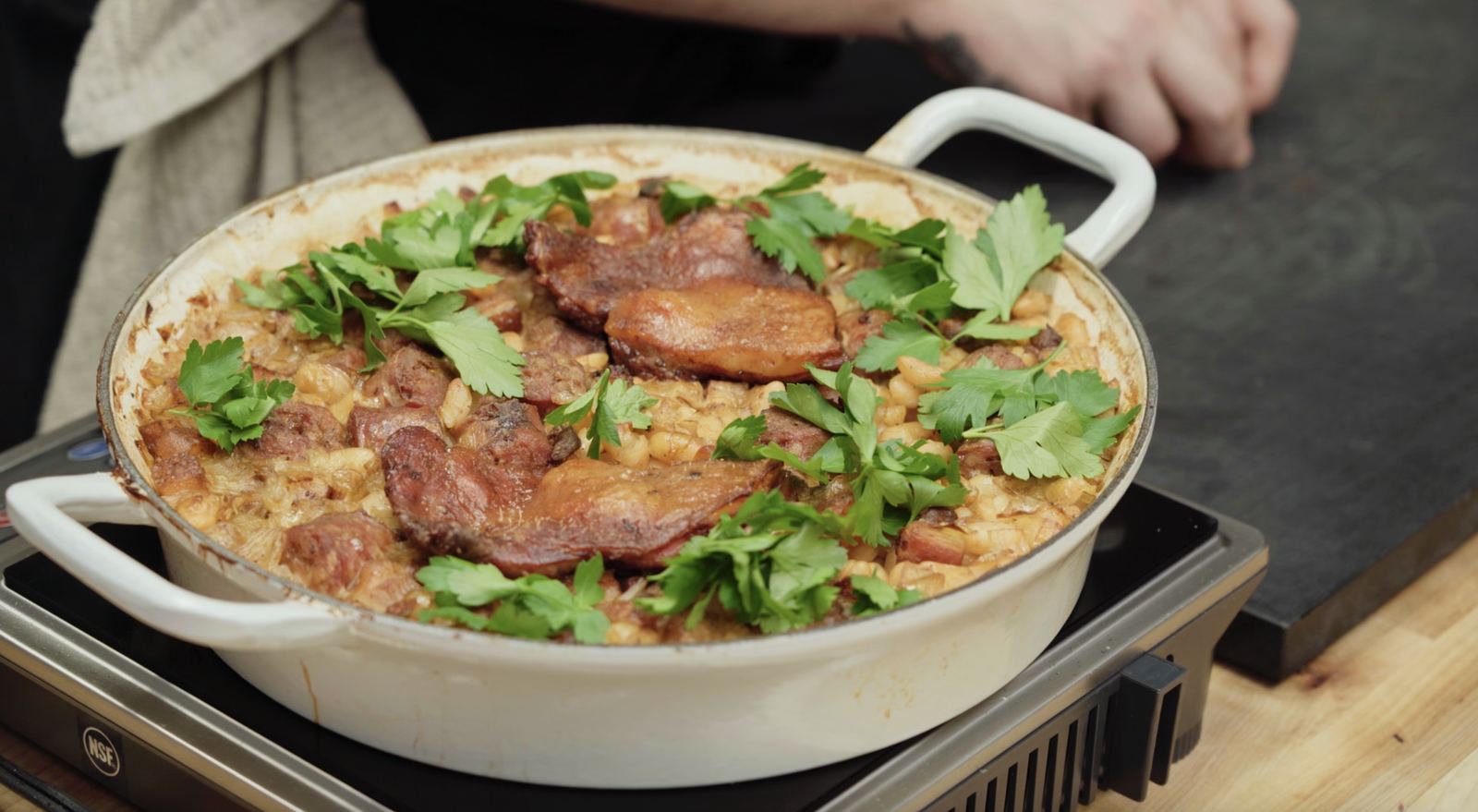
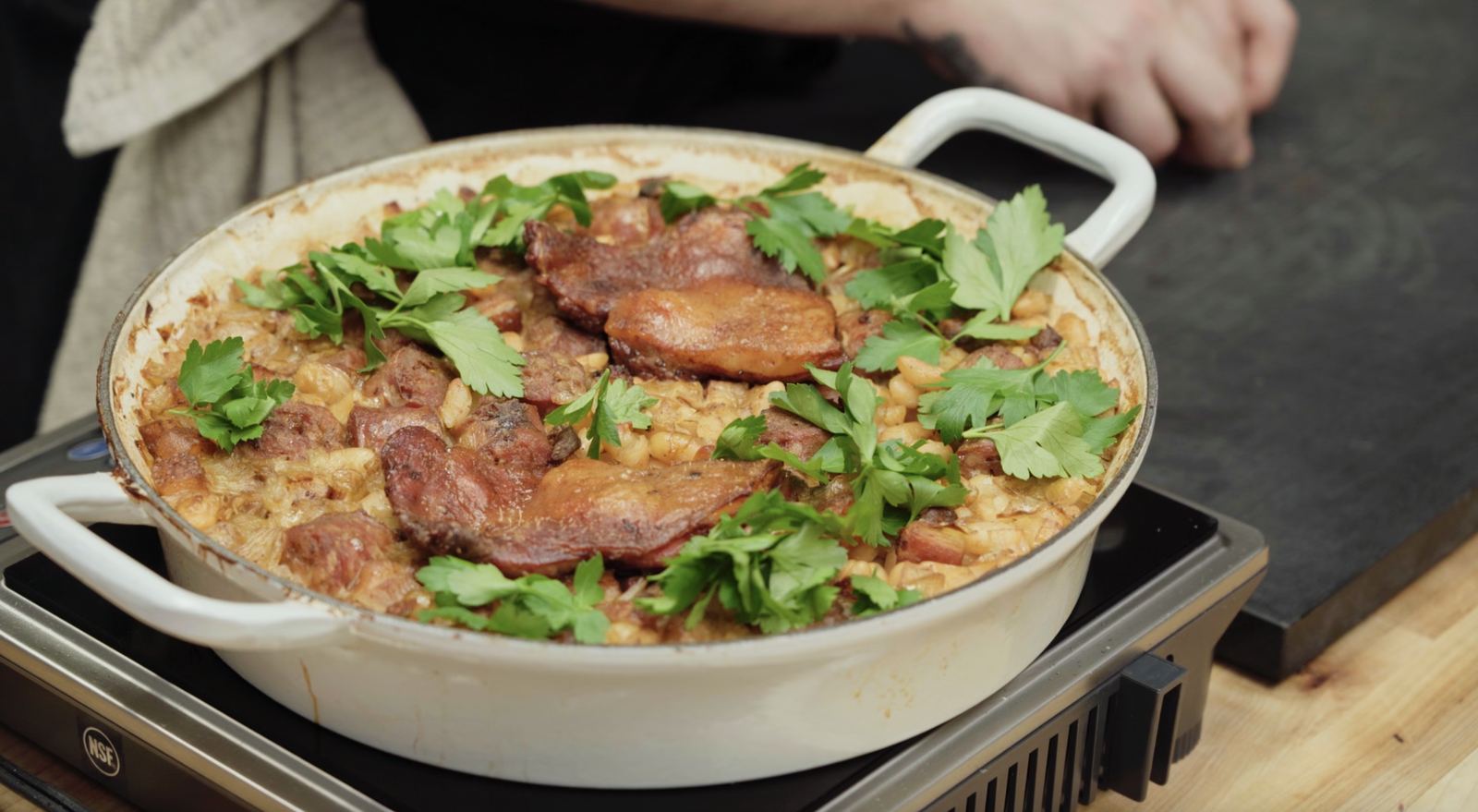
If there’s one dish that embodies the soul of slow, rustic French cooking, it’s cassoulet. A labor of love, this hearty dish is all about layering flavors, honoring tradition, and making the most of every ingredient. I want to share my take on duck cassoulet, an elegant yet deeply comforting dish that rewards patience with an unparalleled depth of flavor.
There’s something special about gathering around the table to share a meal that’s been prepared with time, care, and intention. Duck cassoulet is exactly that kind of dish - a warm, inviting centerpiece perfect for intimate family dinners or joyous spring gatherings. Its rich, slow-cooked flavors encourage conversation and connection.
You can find the full video tutorial of Duck Cassoulet on our YouTube channel, where we post a new cooking tutorial every Saturday! Reach out if you have any questions along the way.
Pekin duck is a breed that originated in China but has long been favored in French cuisine for its mild yet deeply flavorful meat. Many people confuse it with a Peking duck, the crispy-skinned dish from Beijing. However, Pekin duck is not a preparation style but rather a breed known for its tender texture and high-quality fat. Unlike the gamey richness of Muscovy duck, Pekin duck offers a more delicate, buttery taste, perfect for confit and cassoulet alike.
When slow-cooked, its silky fat enriches the beans, making every bite indulgently smooth. This breed’s versatility makes it a staple in professional and home kitchens alike, proving that simple ingredients, when treated with respect, create magic on the plate.
Breaking down a whole duck is such an underrated skill these days, but it’s something I love doing. There’s so much you can use, the crispy skin, the fat for rendering, the bones for stock. Honestly, using the whole animal just makes the food taste better. Plus, it’s all about respecting the ingredients and not wasting a thing!
You can watch a short tutorial of how to work on a duck here: https://www.instagram.com/p/DGIscxQCr4J/
Here’s how you can use every part of the duck for different purposes:
To build the cassoulet base you will need the following:
Sachet
Directions:
Sear the duck sausage on both sides until almost fully cooked through and transfer to the oven to finish cooking. This step is not super necessary. You can cut it from here and set aside but if it's not set through then it may fall apart slightly. If you don't mind this, just add it to the cassoulet when building and it will finish cooking in the oven.
Next render the bacon in the same pot until crispy then add in the onion and garlic and sweat until translucent. Add your drained beans, cover with the stock, add the sashe and bring up to a boil. Place a lid on it and transfer to a preheated oven at 350 degrees for 1 hour. Check it after an hour and place the confit directly on top of it for another 30-40 minutes. Turn on the heat to 400 until crispy. Garnish with fresh parsley and serve!
Find the full recipe here: https://drive.google.com/file/d/1wzWUYH3yHGFqBAk5TanPNxUBJQ92LUFp/view?usp=sharing
If this gave you an idea, we would love to build it into a menu. Every Vendador dinner is designed from scratch around your guests, your space, and the season.