Notes from the Kitchen
Growing up in Albania, Christmas wasn't the massive celebration it is in America. We observed it, of course, but the traditions were quieter, more influenced by our Mediterranean and Turkish neighbors than by the Western European customs most Americans know.
An old tradition among Albanian Christians is fasting on Christmas Eve, during which people do not eat meat, dairy, or other animal products. On Christmas Day, the fast is broken and families come together for a delicious Christmas dinner. The table would be filled with seafood, vegetables, and çesnica, a special brown bread that marked the occasion. Baklava always appeared for dessert, sticky and sweet and worth the wait.
What struck me when I moved to the States was how wildly Christmas food traditions vary, even within this country. And the more I've traveled and cooked professionally, the more I've realized that Christmas might be the most culinarily diverse holiday in the world. Every culture has found its own way to mark the occasion through food, and there's something beautiful about that.
This year, I want to share a few traditions from around the world that have influenced how I think about holiday cooking, and how you might incorporate them into your own celebrations.
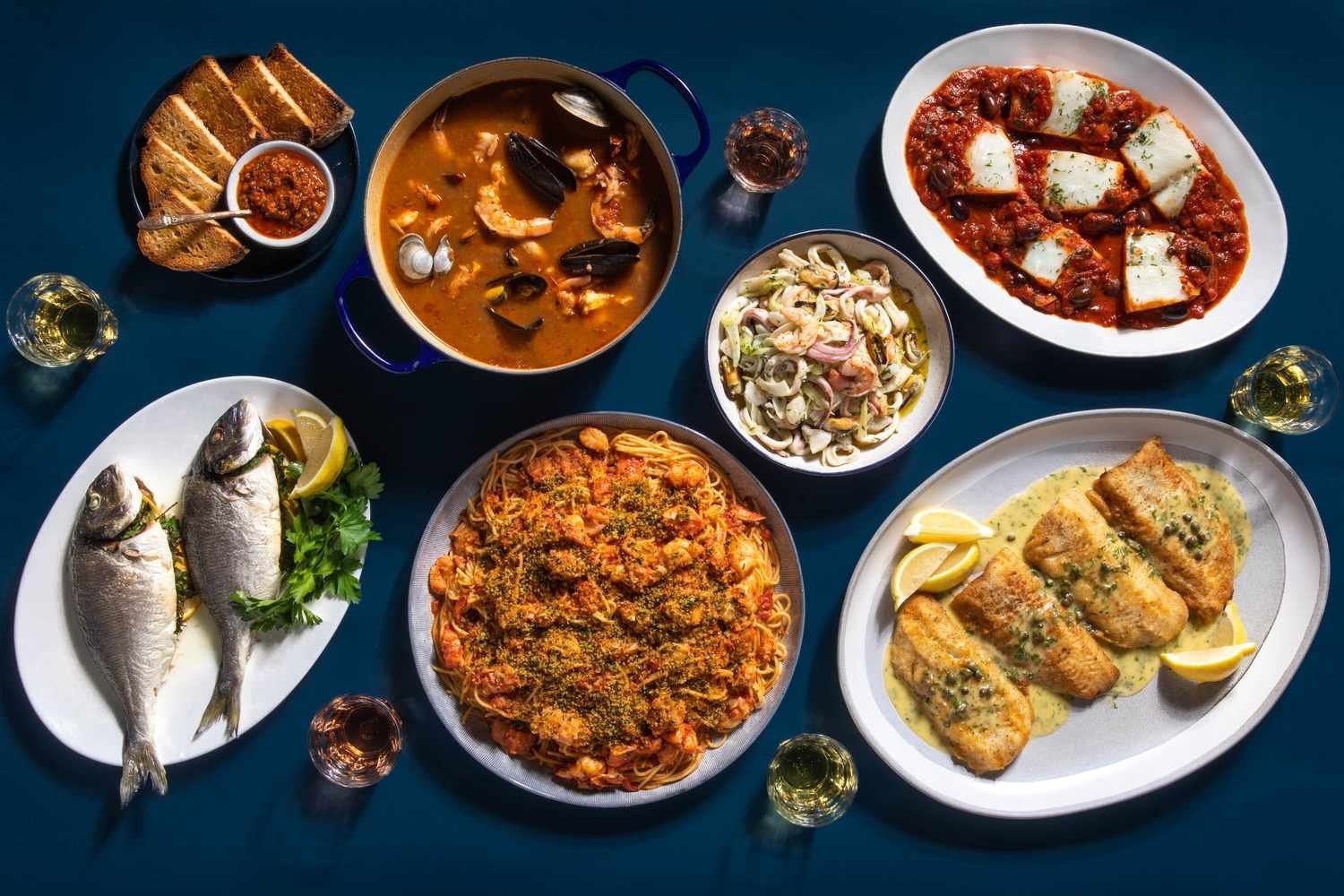
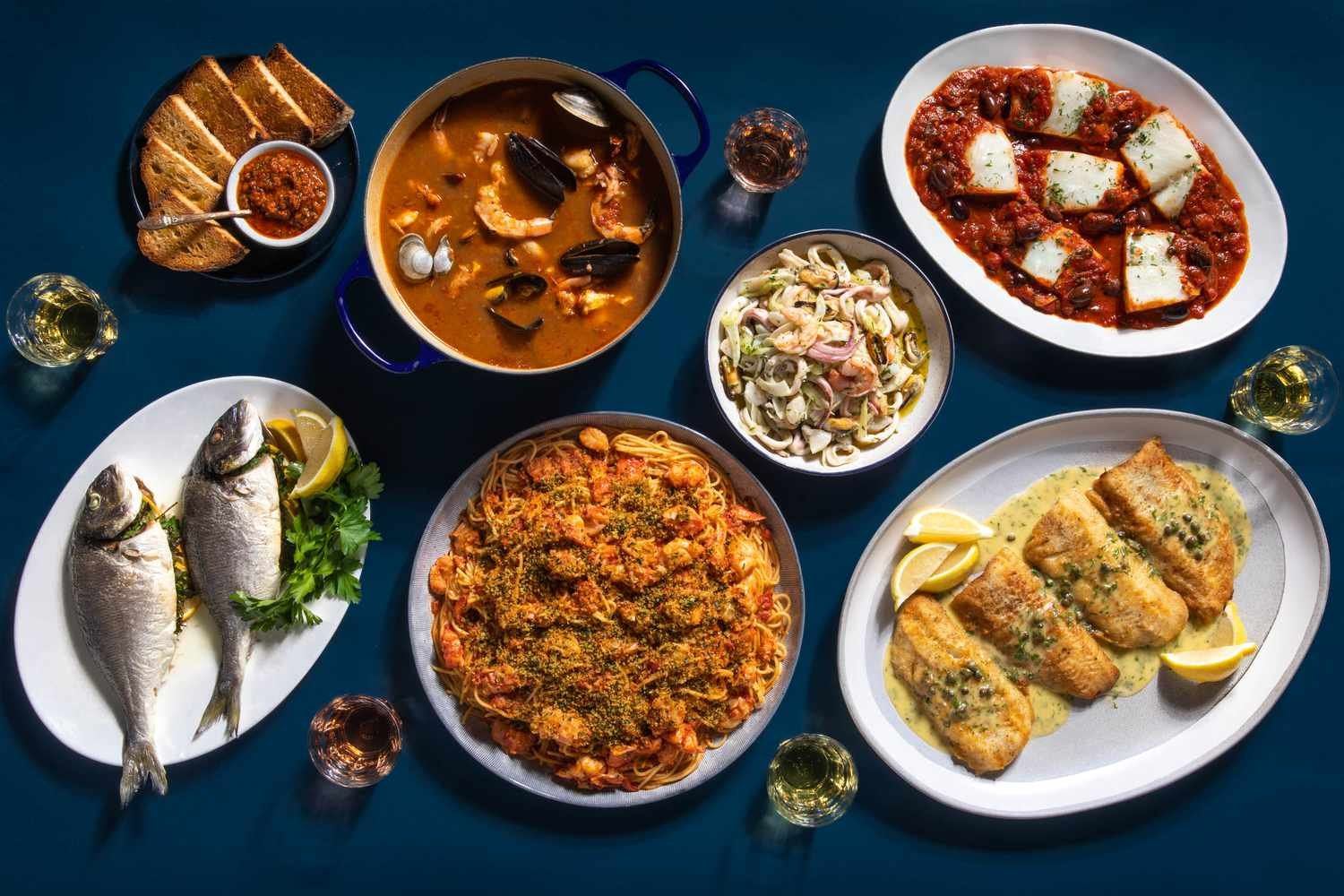
On Christmas Eve, many Italian families prepare La Vigilia, a multi-course seafood feast featuring seven different fish dishes (though some families do nine, twelve, or even more). The tradition stems from the Catholic practice of abstaining from meat before holy days, but it's evolved into something far more significant.
What I love about this tradition is the structure. It's a procession of dishes over several hours. Baccalà (salt cod), calamari, octopus, clams, shrimp, and whatever else is fresh and beautiful. Each course is its own moment. People linger, talk, drink wine, and the evening unfolds slowly.
This is one of the most requested menus we do at Vendador during the holidays. There's something about a seafood-focused celebration that feels both indulgent and lighter than the typical heavy roasts.
Feast of Seven Fishes. Credit: Yasmine Maggio
The French Réveillon (which means "awakening") is a late-night feast served after midnight mass on Christmas Eve. It's formal, multi-course, and elegant: oysters, foie gras, roasted poultry or game, cheese courses, and the iconic bûche de Noël for dessert.
What strikes me about the French approach is the intentionality. Every course is considered. Nothing is haphazard. This is how professional kitchens think about menus, and it's a mindset that translates beautifully to home celebrations when you want something truly special.
Bûche de Noël. Credit: Photo by <a href="https://unsplash.com/@kisoulou?utm_source=unsplash&utm_medium=referral&utm_content=creditCopyText">Kisoulou on <a href="https://unsplash.com/photos/brown-bread-with-white-and-black-panda-print-meIw33_r6Wo?utm_source=unsplash&utm_medium=referral&utm_content=creditCopyText">Unsplash
The Swedish Julbord (Christmas table) is essentially a massive smorgasbord. It includes cured fish, pickled vegetables, meatballs, sausages, cheeses, breads, roasted meats, and an array of desserts, all laid out at once. It's abundance personified.
This tradition really removes the pressure of timing. Everything is prepared ahead, arranged beautifully, and guests serve themselves in waves. You can revisit dishes, combine flavors in unexpected ways, and the host actually gets to enjoy the gathering instead of orchestrating courses from the kitchen.
For large family gatherings or parties where people arrive at different times, this approach is brilliant. It's also visually stunning when done well.
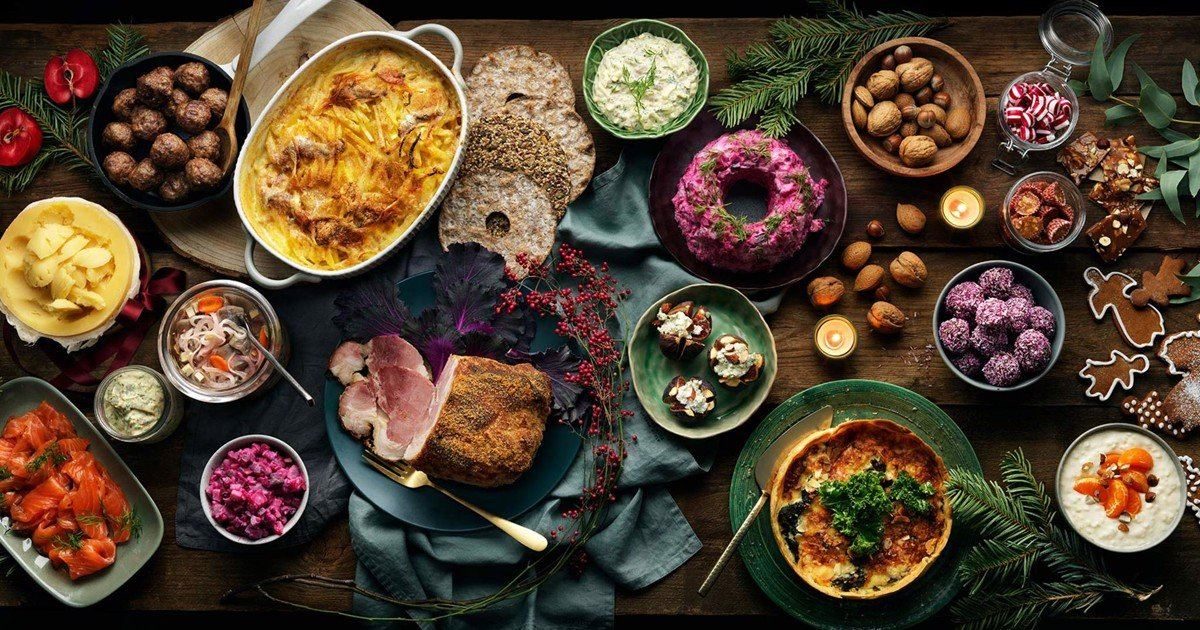
Julbord. Credit: Arla
This one might surprise you, but Japan has created its own entirely unique Christmas tradition despite the holiday not being a major cultural event there. In the 1970s, KFC launched a wildly successful marketing campaign that positioned fried chicken as the Christmas meal. Now, families pre-order their Christmas KFC weeks in advance.
The other tradition is Christmas cake, or Kurisumasu Keki, a light sponge cake with whipped cream and strawberries. It's delicate, not overly sweet, and represents something aspirational and Western-influenced in post-war Japan.
I include this because it's a reminder that traditions aren't static or sacred. They're created, adopted, and adapted based on what resonates with people.
This holiday, I've been thinking about how to blend some of these influences into a cohesive menu that feels both special and approachable, as our clients come from diverse backgrounds and cultures. Here's the direction I'm exploring:
Start with the Italian structure: Multiple courses over several hours, seafood-focused but not exclusively.
Borrow from the French: Intentional progression, a cheese course, something rich and elegant like duck or a beautiful cut of beef.
Incorporate Scandinavian abundance: A few cold preparations (cured fish, pickled vegetables, good bread) that can sit on the table throughout the evening.
End with something unexpected: Maybe a Japanese-inspired dessert, something lighter and more delicate than the typical heavy Christmas sweets.
This is exactly the kind of cooking we love to do at Vendador. We can build a menu around any tradition or blend several into something uniquely yours.
If you're thinking about doing something special, now's the time to reach out. We are taking bookings for January for quiet catch-up dinners with friends after the holiday rush.
If this gave you an idea, we would love to build it into a menu. Every Vendador dinner is designed from scratch around your guests, your space, and the season.