Notes from the Kitchen
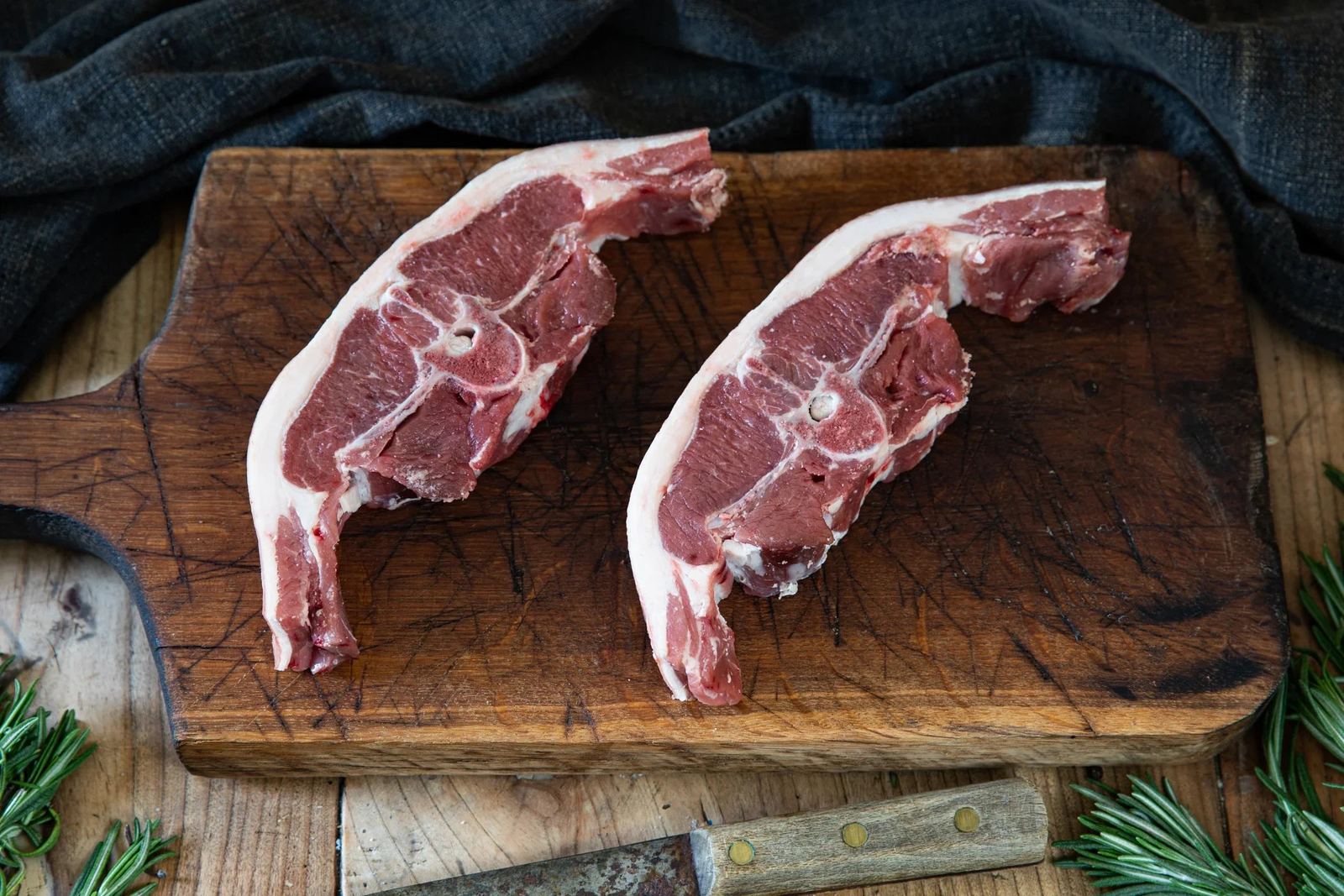
The Albanian in me always has a soft spot for lamb. Maybe it's the way it takes me back to those summers in the mountains, or maybe it's just that lamb has this deep, soulful quality that turns a meal into something more. Either way, it's been a constant in my kitchen for as long as I can remember.
I've been working with lamb from Pure Bred, the same folks at Elysian Fields who've been supplying Thomas Keller's kitchen for years. They're tucked away in the rolling hills of southwestern Pennsylvania, raising their lambs on a philosophy of complete animal welfare. What makes their lamb so special is the unique cross of Texel and Suffolk breeds, raised stress-free on a vegetarian diet that creates incredibly tender, clean-tasting meat with perfect marbling. It's become the gold standard for fine dining, and for good reason.
I have spent many attempts at the stuffed saddle technique, and each time I discover something new. The preparation might look intimidating, but it's really just a series of deliberate steps. Once you understand the process, it becomes second nature.
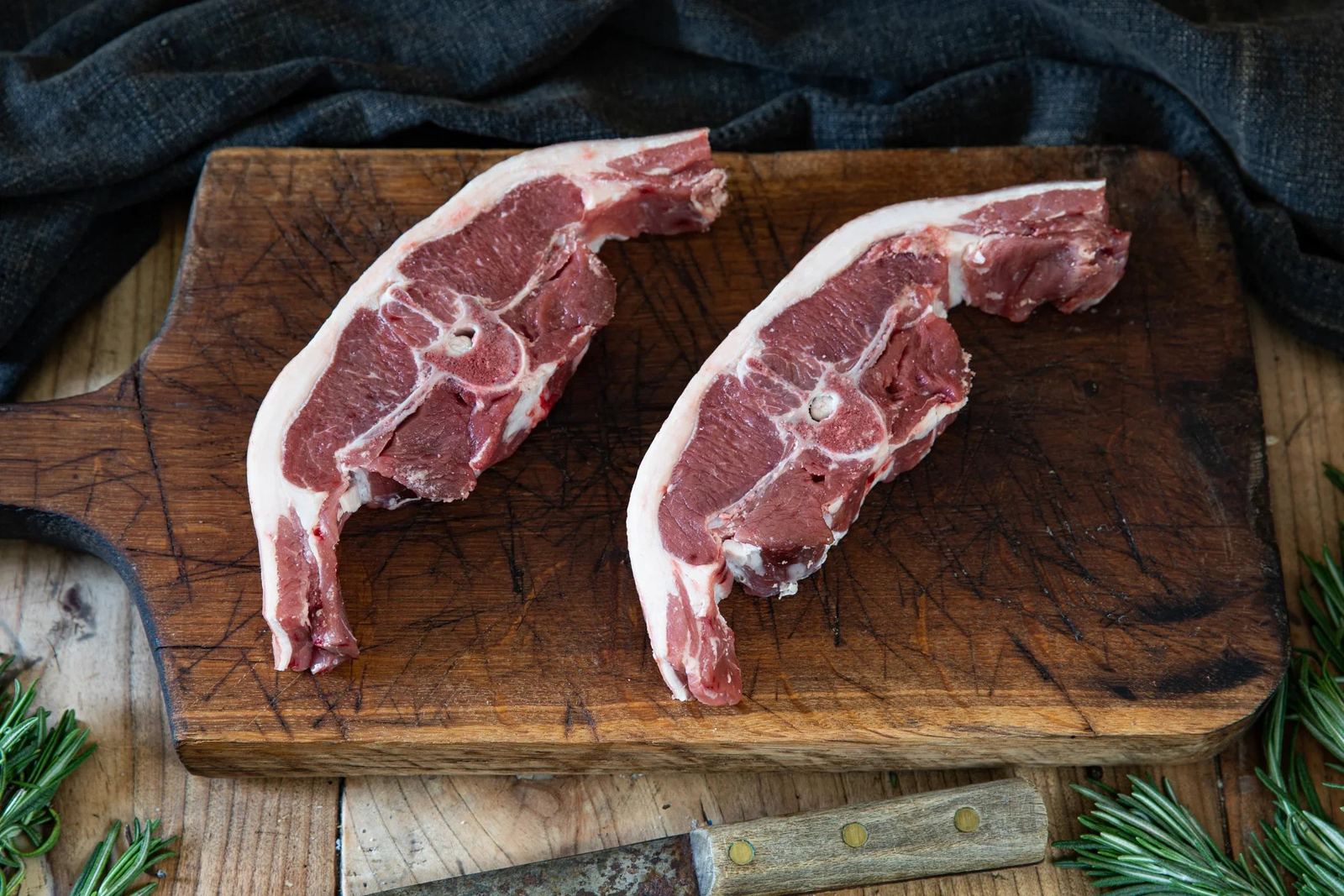
Lamb saddle comes from the loin area in the lumbar region and includes the loin from both sides of the animal. It's essentially the bottom portion of the back, and what makes it so special is that you get both the tenderloin and the entrecôte (the equivalent of a ribeye) in one piece. This is premium real estate when it comes to lamb.
You can buy lamb saddle with the bone in or with the bone removed and rolled into an easy-carve joint. For this preparation, we're working with bone-in because we want those bones to add flavor to the jus, and we're going to debone it ourselves as part of the process.
A whole saddle can serve 8-10 people, making it perfect for special occasions. It's a true show-stopping centerpiece, the kind of thing you make when you want to impress or when you're celebrating something that matters.
The saddle is ideal for roasting, but it really shines when you de-bone it, stuff it, and tie it up before cooking. That's exactly what we're doing here.
Watch the our step-by-step tutorial on Instagram.
For the lamb:
For the farce (stuffing):
For assembly:
For serving:
1. Break down the saddle
Remove the top fat pieces from both sides, reserving for later use. Clean away the sinew along the spine. Remove the pencil fillets (the small strips of meat along the bone) using your fingers and knife and set aside.
Carefully remove the spine by cutting delicately underneath the bones. Save the bones for making jus.
2. Prepare the loin
Remove the fatty section without cutting through to the skin. You're creating a cavity for stuffing. Peel back and cut off the belly portion to use for the farce.
Trim excess fat. Cut the saddle down the middle (you can use half or the whole piece). Remove the top fat cap to help the belly attach to the loin. Pound the meat gently to create one flat, even surface.
3. Make the farce
Grind the reserved belly meat. Immediately season with salt, Urfa pepper, and nutmeg. Mix well and set aside.
4. Prepare the greens
Blanch collard greens in boiling water for 30 seconds. Transfer immediately to an ice bath. Squeeze out all excess water and lay flat on paper towels to dry.
5. Assemble the saddle
Clean the pencil fillets of any remaining sinew. Spread the farce mixture into the cavity you created in the loin. Layer the blanched collard greens over the farce. Place the pencil fillets on top. Season everything generously with salt and pepper. Apply transglutaminase according to package directions to help bind everything together.
6. Truss and shape
Using butcher's twine, truss the saddle carefully to create a tight cylinder. Don't wrap too tightly or it will burst during cooking. Poke a few small holes in the surface to release trapped air.
Wrap lengthwise with twine again, maintaining the cylindrical shape as tightly as possible without overdoing it.
7. Cook sous vide
Vacuum seal the lamb. Cook in a 58°C (136°F) water bath for 1½ hours for medium-rare. (For medium, cook up to 2 hours or raise temperature to 60°C/140°F.)
8. Sear and rest
Remove from bag and pat completely dry. Heat oil in a heavy skillet over high heat. Sear the lamb on all sides until deeply caramelized, about 1-2 minutes per side.
Meanwhile, roast the reserved bones in a hot oven until crispy and golden.
Let the lamb rest for 10 minutes before slicing.
9. Make the jus
Use the roasted bones and any trimmings to create a rich lamb jus. Deglaze the roasting pan, add the bones, reduce with stock until deeply flavored.
10. Serve
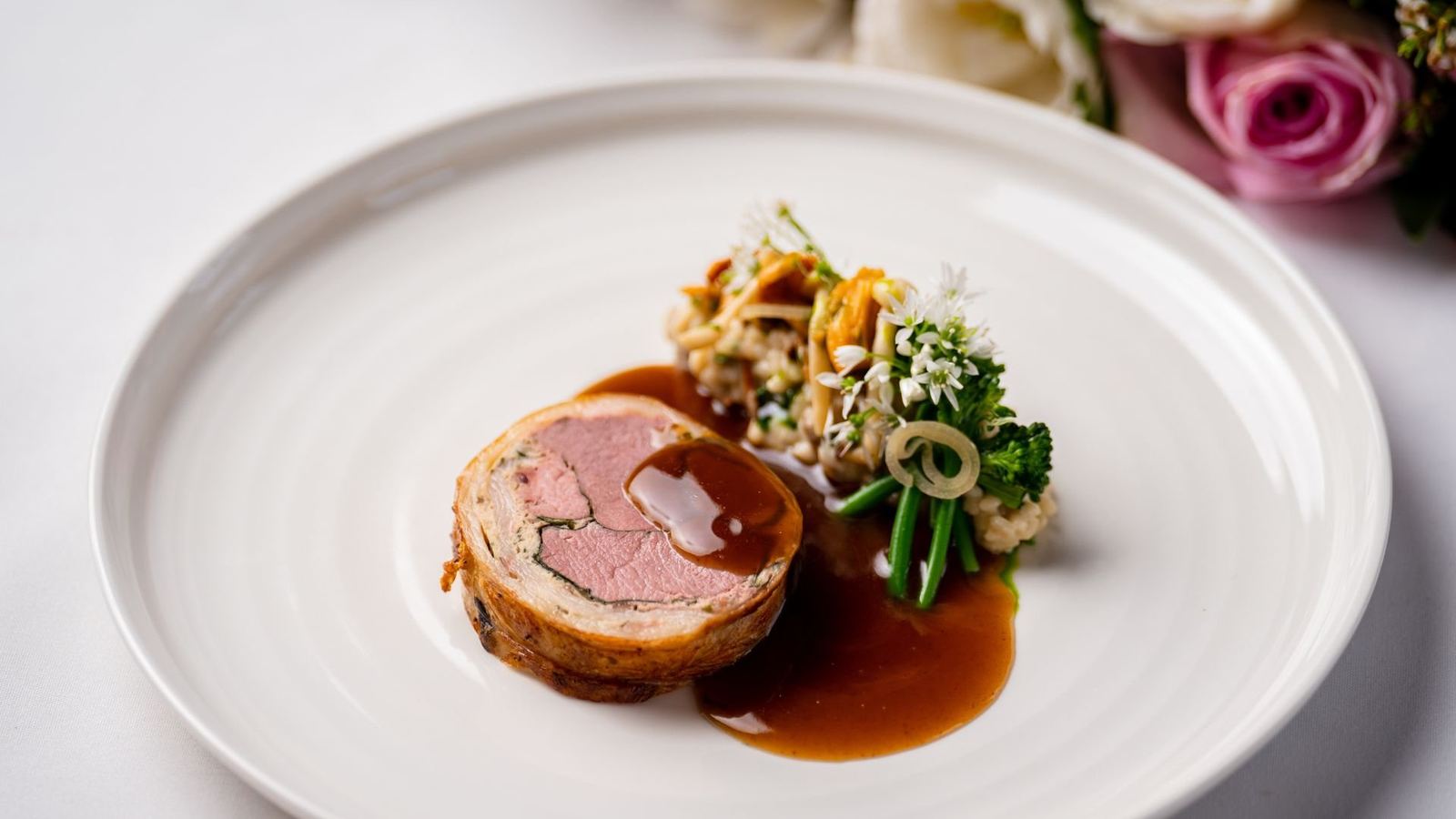
Slice the lamb into thick rounds. Serve with grainy mustard, pickled vegetables, fresh herbs, and the lamb jus. A hearty grain like barley makes an excellent accompaniment.
If this gave you an idea, we would love to build it into a menu. Every Vendador dinner is designed from scratch around your guests, your space, and the season.